


42-Day Lean Body Reset
Two personal training sessions each week. Individual exercise plan. Nutrition guidance and accountability.
Includes: Includes a structured 42-day training schedule and progress reviews.
Most popularEnquire
“Awesome training I lost 8kg in the last month and still going strong”
“Great communication, very quick to match me with the right trainer, very happy.”
“In fact, I'd say I'm in the best shape of my life.”
“I've been training with Armstrong for 3 years now and strongly respect his expertise and commitment to his field and my fitness journey.”
Train locally with a structured program that balances strength, cardiovascular fitness, mobility and sustainable weekly habits.
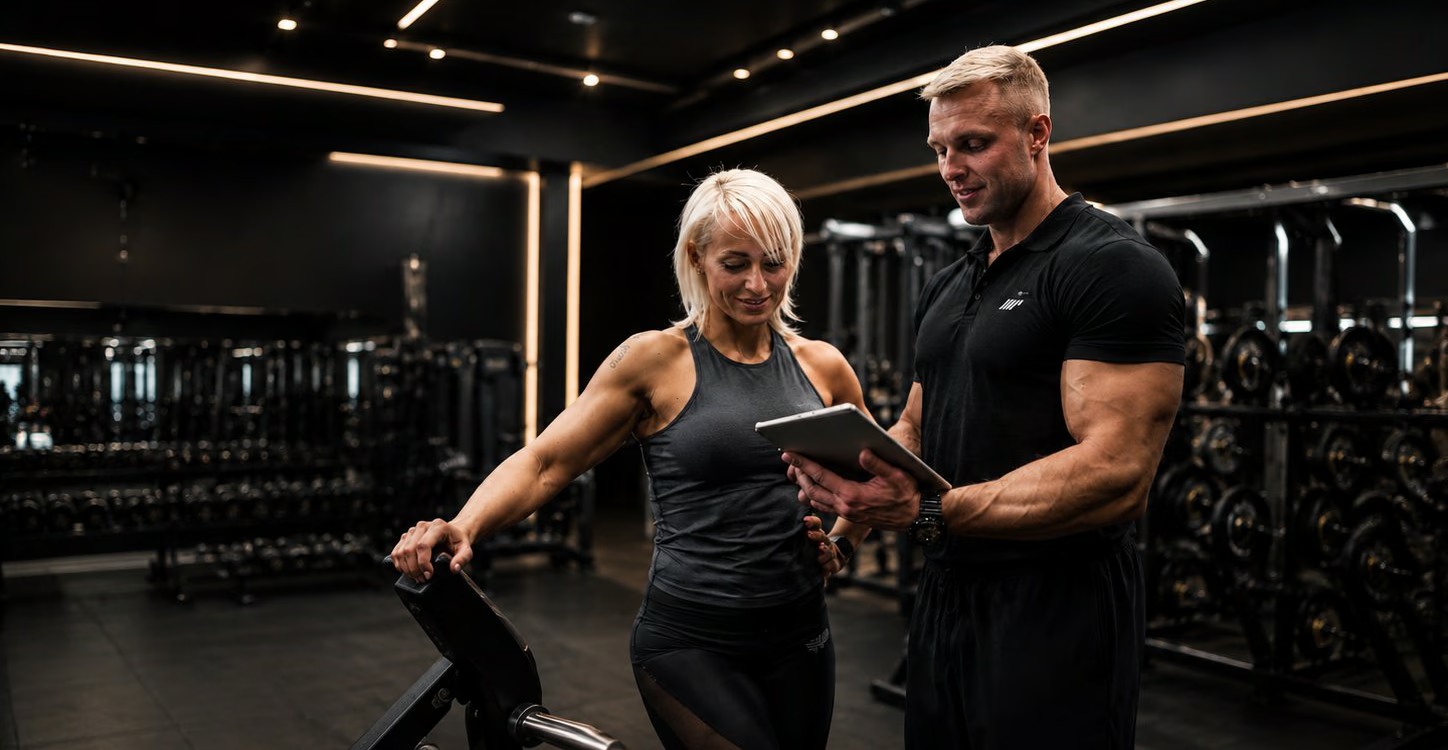
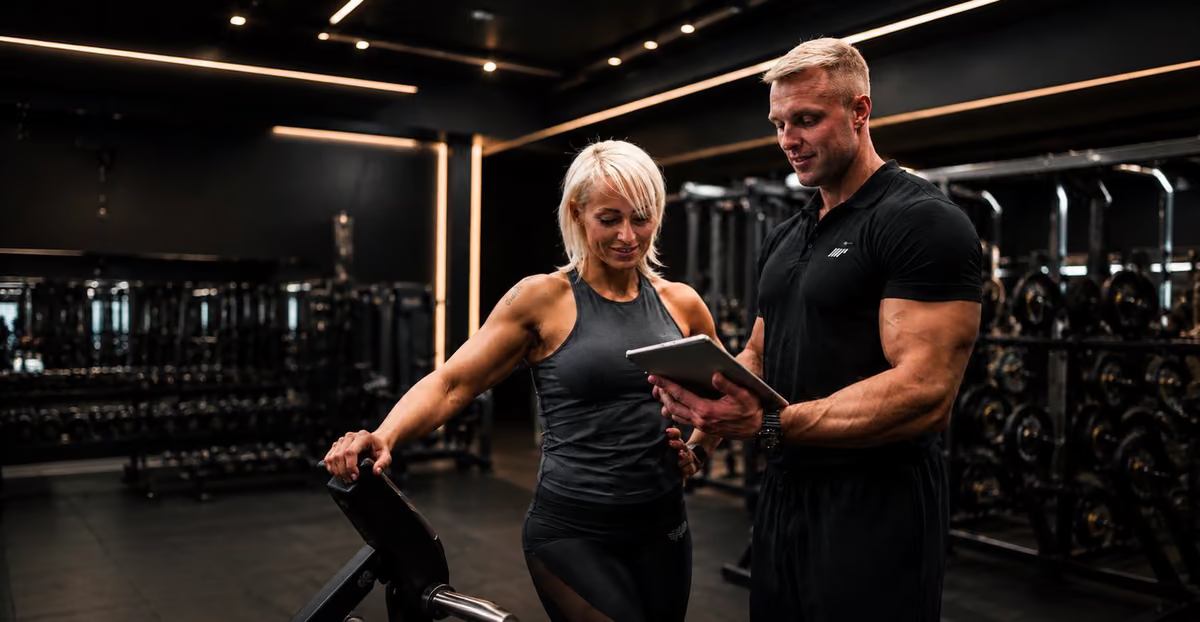
Arrange sessions around home, work or an agreed outdoor training space in Teneriffe.
One-to-one coaching for strength, fitness, boxing and body composition.
Swipe for more
Two personal training sessions each week. Individual exercise plan. Nutrition guidance and accountability.
Includes: Includes a structured 42-day training schedule and progress reviews.
Regular one-to-one coaching with exercise programming and recorded progression.
Includes: Session frequency and schedule are confirmed before training begins.
A private coached session covering goals, exercise technique and the first training block.
Includes: No payment for the first session.
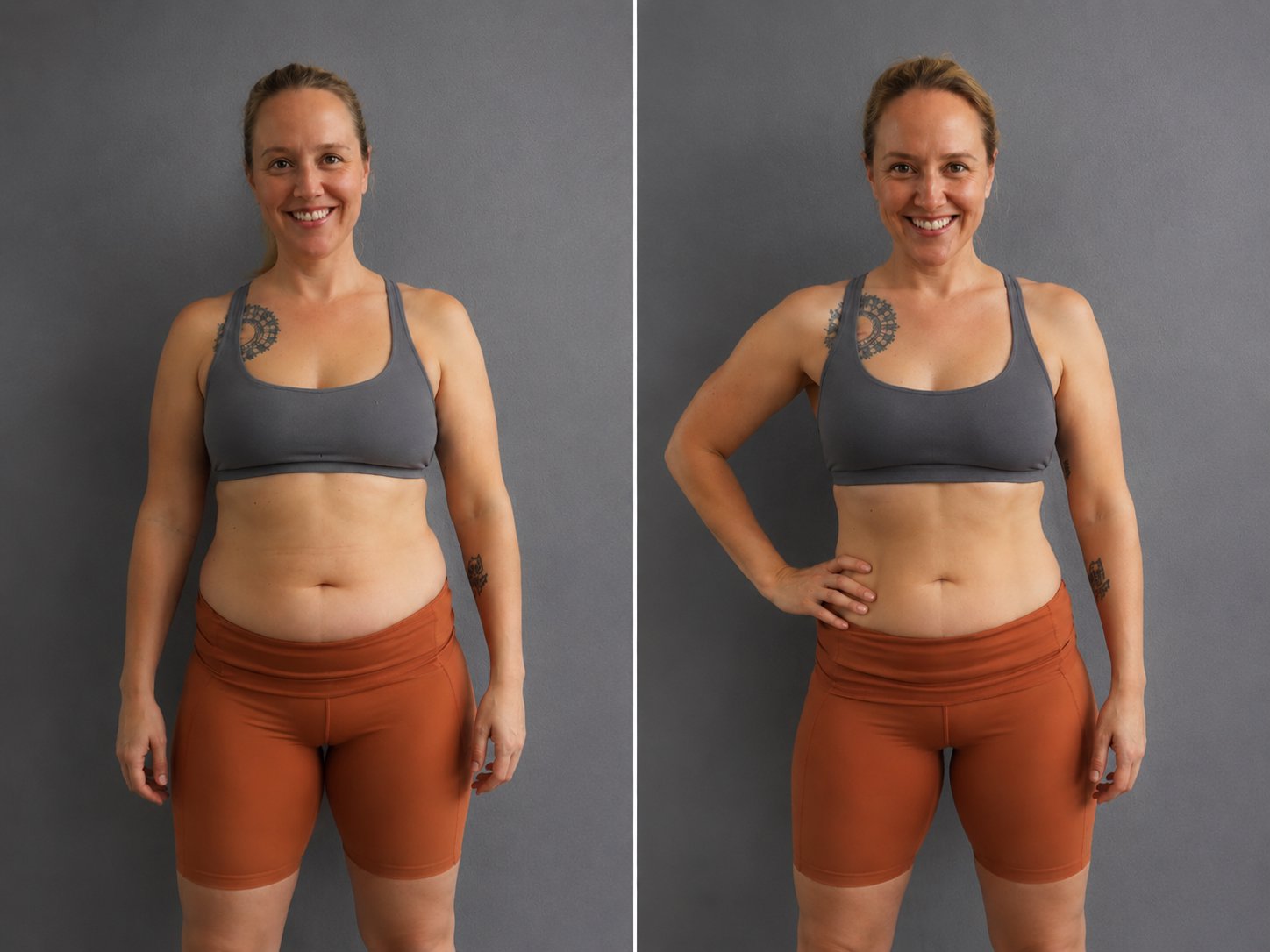
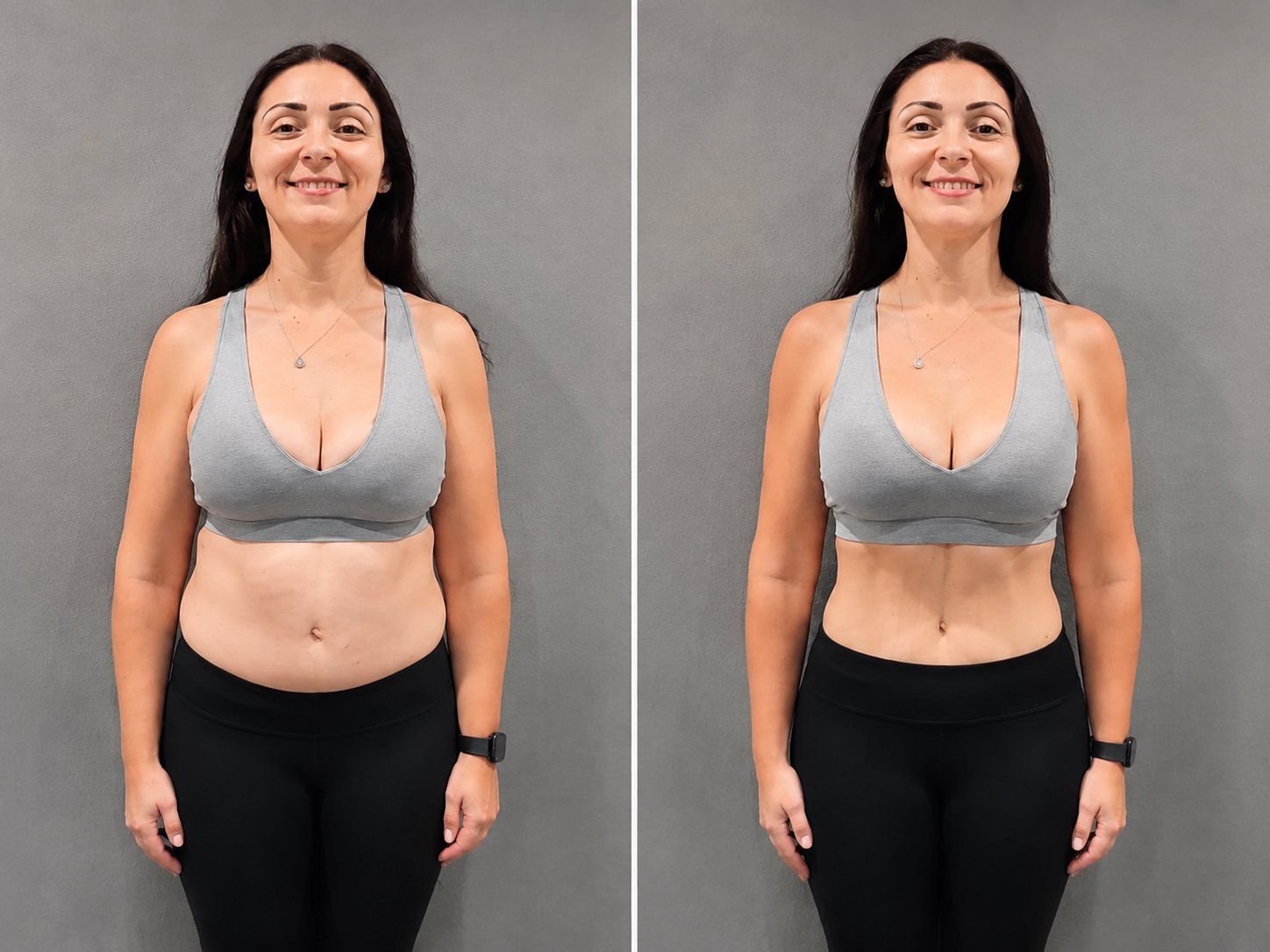
Apps, diets and unused gym memberships cost money without providing technique feedback or accountability. Personal training pays for a coached appointment, an individual program and recorded progression.

Exercise knowledge does not provide an external view of technique, load selection or weekly progression. The trainer watches the work, corrects movement and records the next training target.
A professional session has a written purpose. The trainer demonstrates the exercises, watches each set and records the work rather than handing over a generic workout.
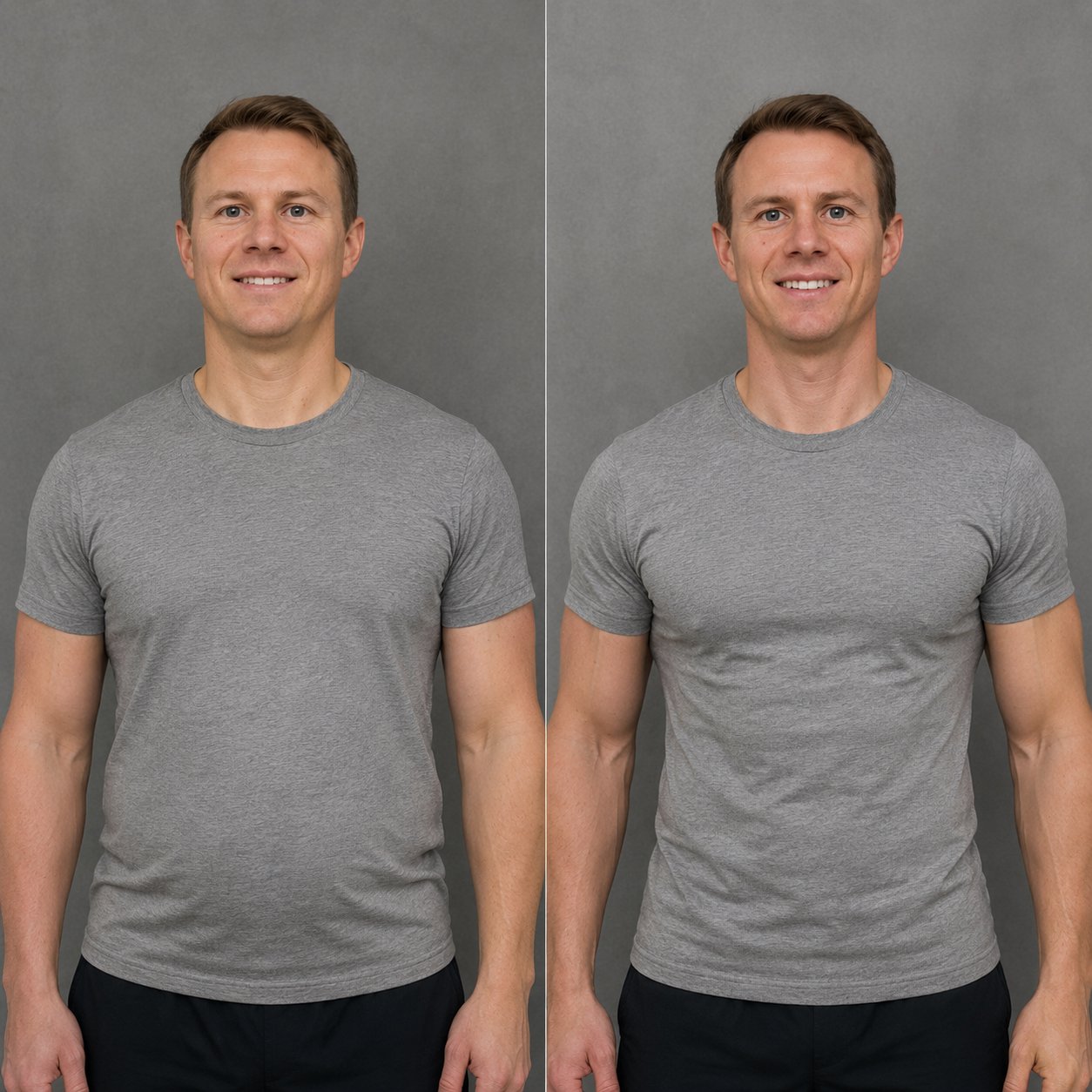
One-to-one coaching keeps the session focused on one client. The trainer explains the equipment, demonstrates each exercise and controls the pace from the first warm-up.
The local area
Teneriffe is a riverside suburb in inner Brisbane, with postcode 4005 and administration by Brisbane City Council within the City of Brisbane local government area. At the 2021 Census, the Australian Bureau of Statistics recorded 5,520 residents within the suburb boundary. Converted woolstores, apartment buildings and riverfront paths reflect the area’s transition from a working waterfront to a residential and dining neighbourhood.
The historic woolstore buildings are among Teneriffe’s most recognisable landmarks. The riverwalk connects local streets with neighbouring parts of the waterfront and provides space for everyday walking. Beccofino and Zero Fox are local dining options, while Sippy Tom and Kin & Co are part of the suburb’s café and coffee culture.
Community facilities in the surrounding area include the nearby New Farm Neighbourhood Centre and New Farm Community Hall. Sporting opportunities beyond the suburb include New Farm Bowls Club, while riverside paths provide informal recreational space. These facilities have their own access conditions and should not be assumed to be available for commercial training without checking.
Five surrounding or nearby suburbs are New Farm, Newstead, Fortitude Valley, Bulimba and Hawthorne; Bulimba and Hawthorne sit across the river. Personal training in Teneriffe can be organised around the practical realities of apartment living, working hours and access to suitable exercise space. Building rules, lift access, noise and an alternative arrangement for wet weather can all affect the choice of a regular training location.
Training explained
Personal training provides planned exercise and direct feedback within an agreed coaching arrangement. For someone living in Teneriffe, convenience may influence the choice of a home session, a suitable shared facility or another authorised space. The service itself should still be defined by clear objectives and individual instruction. A trainer can help organise movement practice, explain equipment and track performance over time. The first discussion should establish what the participant wants to learn or improve, rather than assume that everyone has the same goal. That information gives later sessions a purpose and makes the value of changes easier to assess.
A compact training area requires exercises that fit the available room without compromising movement. Portable resistance equipment and bodyweight variations can be useful, but their suitability depends on the surface, clearance and participant. A programme might use a controlled squat, hinge, press or row with adjustments to position and resistance. Jumping or rapid direction changes are not essential features of an effective session. In an apartment building, noise and shared access also require consideration. Checking the space in advance helps avoid improvising around furniture or relying on equipment that cannot be used as intended within the available area.
Technique describes how an exercise is performed, including body position, movement control and use of the equipment. Intensity describes the level of effort or demand. They are related, but increasing effort does not automatically improve movement quality. When a participant is learning a skill, a trainer may reduce resistance or shorten a set so the movement remains understandable and repeatable. Perceived effort can help communicate how demanding a task feels, alongside observation and performance records. A useful session balances challenge with the ability to follow instructions, rather than treating exhaustion as the main indication that coaching has been successful.
Walking and coached exercise can occupy different roles within a weekly routine. Walking may provide a convenient form of general activity, while a planned session can focus on resistance exercises, movement skills or specific conditioning tasks. Teneriffe’s riverside setting may make walking appealing, but an individual plan should reflect actual preferences and access rather than assume a particular route will be used. A trainer can discuss the amount of activity already taking place before adding more. The combined schedule should leave room for recovery and ordinary commitments. Recording independent activity can also help explain changes in energy or performance between appointments.
Comparing trainers involves checking qualifications, relevant experience and how clearly the proposed service is explained. Practical questions include where sessions occur, what equipment is supplied and how changes to a booking are handled. For a Teneriffe apartment resident, building permission and entry arrangements may be especially relevant. A trainer should be willing to describe the starting process, the way exercise is adjusted and the limits of their professional role. Communication preferences also matter: useful feedback should be understandable and respectful. A written agreement helps connect expectations about coaching with the actual duration, cost and conditions of the service.