

217 reviews
1 / 1
★★★★★
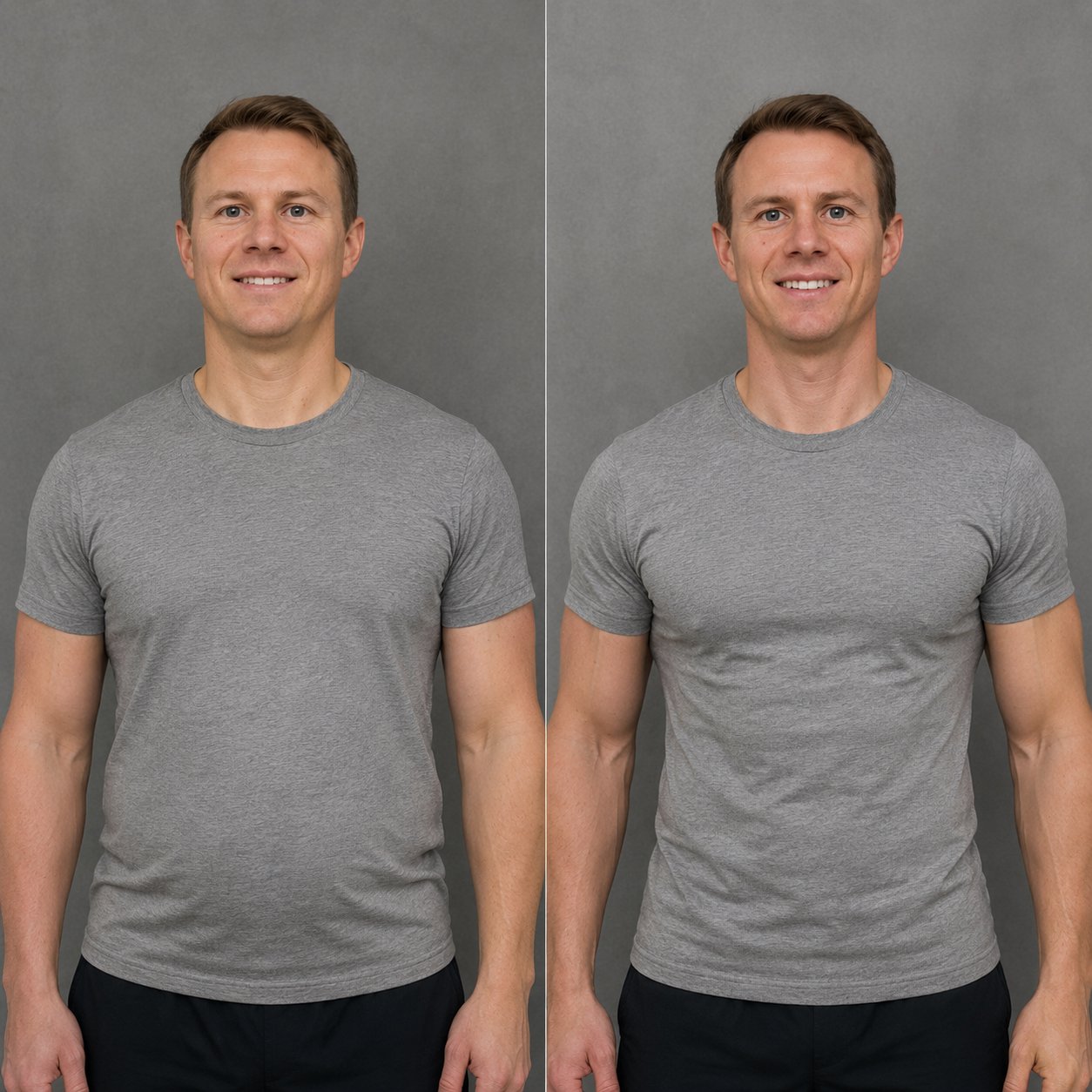
“Awesome training I lost 8kg in the last month and still going strong”
Daniel
★★★★★
“Great communication, very quick to match me with the right trainer, very happy.”
Damien
★★★★★
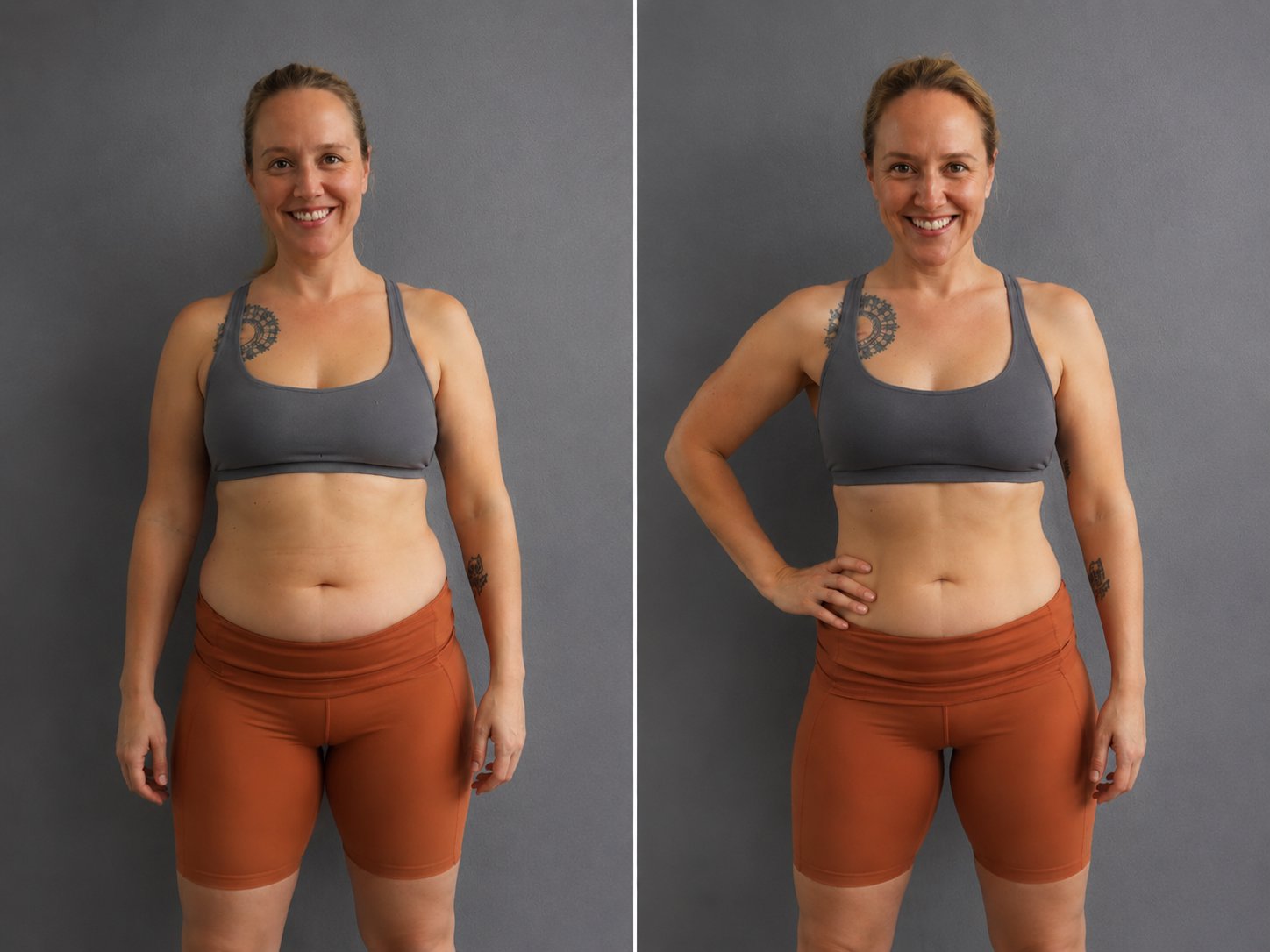
“In fact, I'd say I'm in the best shape of my life.”
Jess French
★★★★★
“I've been training with Armstrong for 3 years now and strongly respect his expertise and commitment to his field and my fitness journey.”
Jacob Fatur

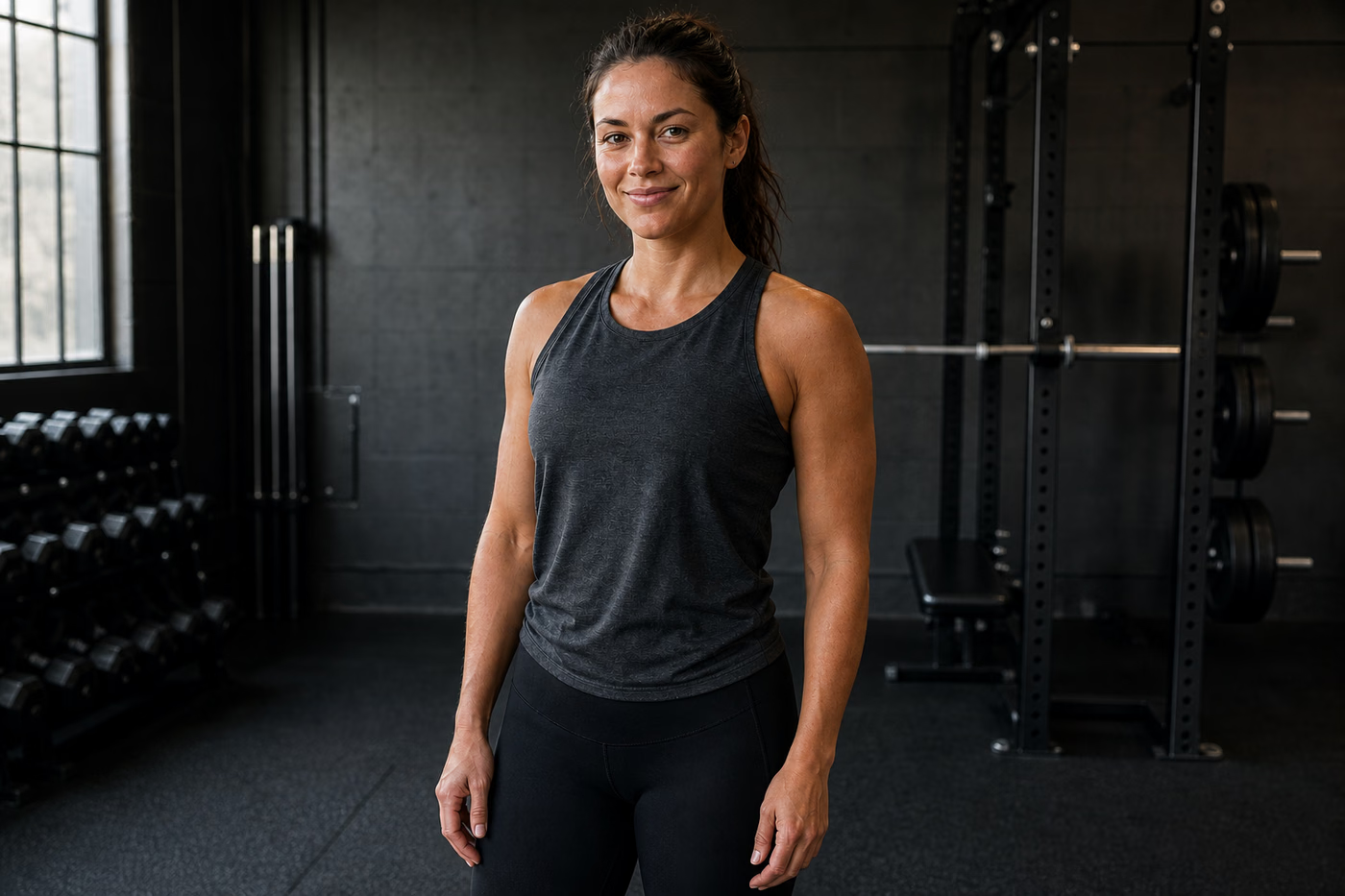
One-to-one coaching with a female trainer.

The service combines a written training plan with direct coaching during each session. Exercise selection and training load reflect current strength, fitness and movement experience.

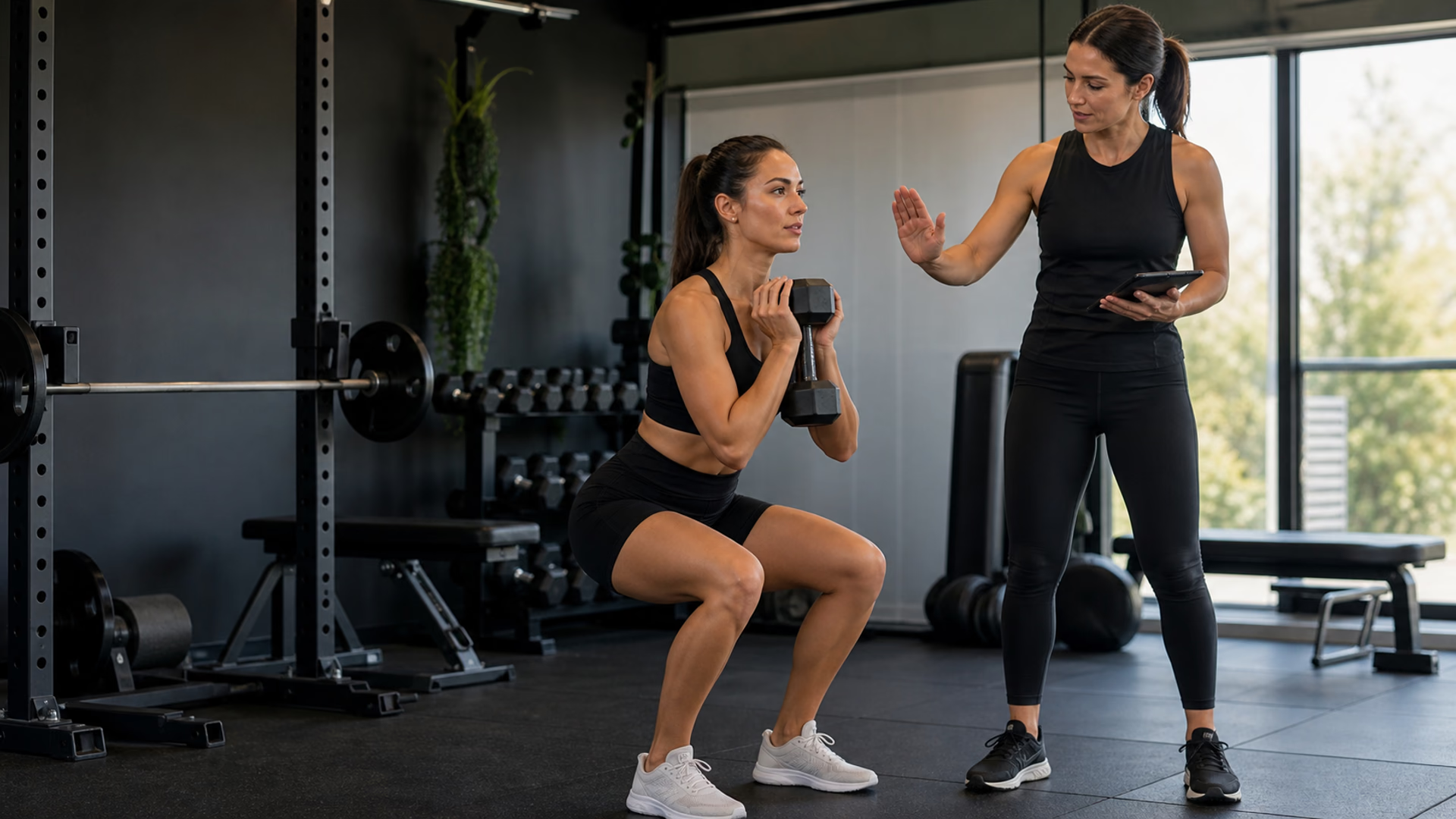
Female personal trainer coaching a client through a goblet squat without physical contact

One trainer leads the full session, demonstrates movements and corrects exercise technique.

Meet the team

One-to-one coaching for strength, fitness, boxing and body composition.

Swipe for more

Questions about personal training

01

“I can’t justify the cost of a personal trainer.”

Apps, diets and unused gym memberships cost money without providing technique feedback or accountability. Personal training pays for a coached appointment, an individual program and recorded progression.
02

“I already know which exercises to do.”

Exercise knowledge does not provide an external view of technique, load selection or weekly progression. The trainer watches the work, corrects movement and records the next training target.

03

“I’m not sure I can trust a trainer.”

A professional session has a written purpose. The trainer demonstrates the exercises, watches each set and records the work rather than handing over a generic workout.

04

“I’d feel self-conscious during training.”

One-to-one coaching keeps the session focused on one client. The trainer explains the equipment, demonstrates each exercise and controls the pace from the first warm-up.

Training explained

Female trainer: questions and answers

What does a female personal trainer do?

A female personal trainer provides individual exercise instruction, program planning and feedback. The term describes the trainer’s gender rather than a separate exercise discipline. Services may include strength training, aerobic conditioning, mobility work and support with maintaining a regular routine. The content of a session should reflect the client’s goals, training background and preferences. Choosing a female coach can be a personal preference related to communication, comfort or the training environment. It does not imply that every female trainer has the same qualifications or coaching approach. Comparing experience and the way sessions are organised is therefore useful when selecting a suitable professional.

How is a strength and fitness program individualised?

Individualisation begins by identifying what the client wants to achieve and what they can currently do. A program then specifies exercises, repetition ranges, resistance and rest periods that can be reviewed over time. Strength work may use dumbbells, machines, resistance bands or bodyweight movements. Conditioning can be organised separately or combined with other tasks, depending on the purpose of the session. Exercise selection also takes account of available equipment and the client’s familiarity with each movement. Two people working with the same trainer may therefore follow different routines. A written record helps explain how the plan changes and avoids relying only on a general impression of how demanding a workout felt.

What is the difference between coaching preference and specialist expertise?

A preference for a female trainer concerns the working relationship; specialist expertise concerns education and experience in a particular area. Pregnancy, postnatal recovery, pelvic health and clinical exercise management involve considerations that should be discussed separately. A trainer’s gender alone does not establish competence in these areas. AUSactive’s scope guidance describes professional boundaries, while a clinician can advise on matters requiring assessment or treatment. Clients can ask what relevant training a coach has completed and how referrals are handled. Clear communication also includes explaining an exercise before it begins, asking permission for hands-on guidance and offering an alternative when a coaching method is uncomfortable.

How are technique and training intensity explained?

Technique refers to how a movement is performed, including positioning, control and the path of the resistance. Coaching may combine a demonstration with a small number of verbal cues and a chance to practise. Intensity describes the demand of the work, but it can be expressed in several ways. A selected weight, a pace or a rating of perceived exertion each communicates something different. Perceived exertion is the participant’s description of how hard the task feels. It can help guide a conversation about daily readiness. The aim is to make the instructions understandable so the client knows what to do, what to record and when to ask for an adjustment.

How can a client compare female personal training services?

Useful comparison points include the coach’s qualifications, experience with similar goals, session format and approach to recording progress. Practical details also matter: venue, appointment length, travel requirements and the availability of a regular time. A trial or introductory conversation can show how the trainer explains exercises and responds to questions. Pricing should identify what is included, such as coached appointments, written programming or reviews between sessions. In Fortitude Valley, a client may also compare a studio appointment with mobile training in a nearby suburb. The most informative choice is based on a clear description of the service and a workable coaching relationship, rather than assumptions about gender or guaranteed results.