

217 reviews
1 / 1
★★★★★
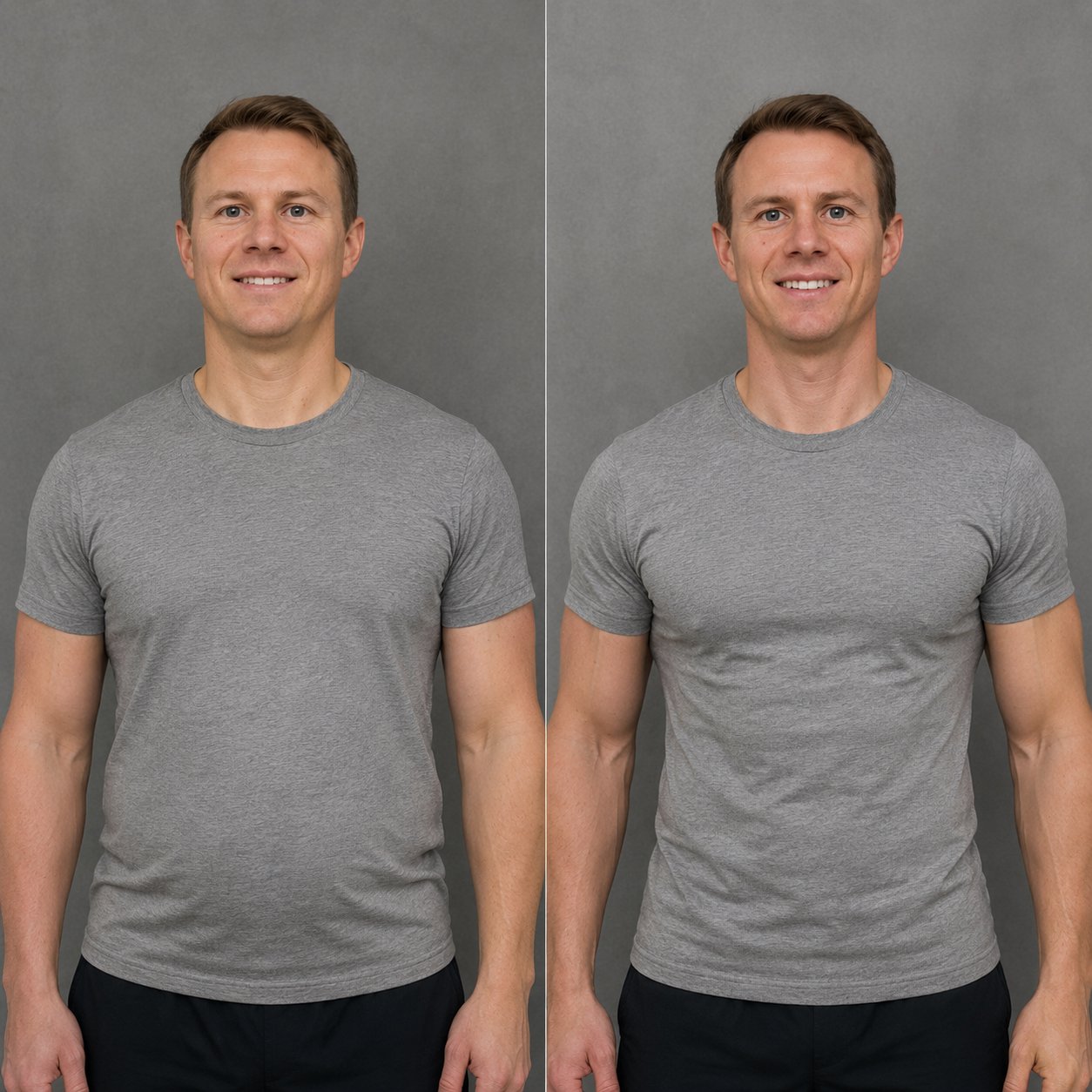
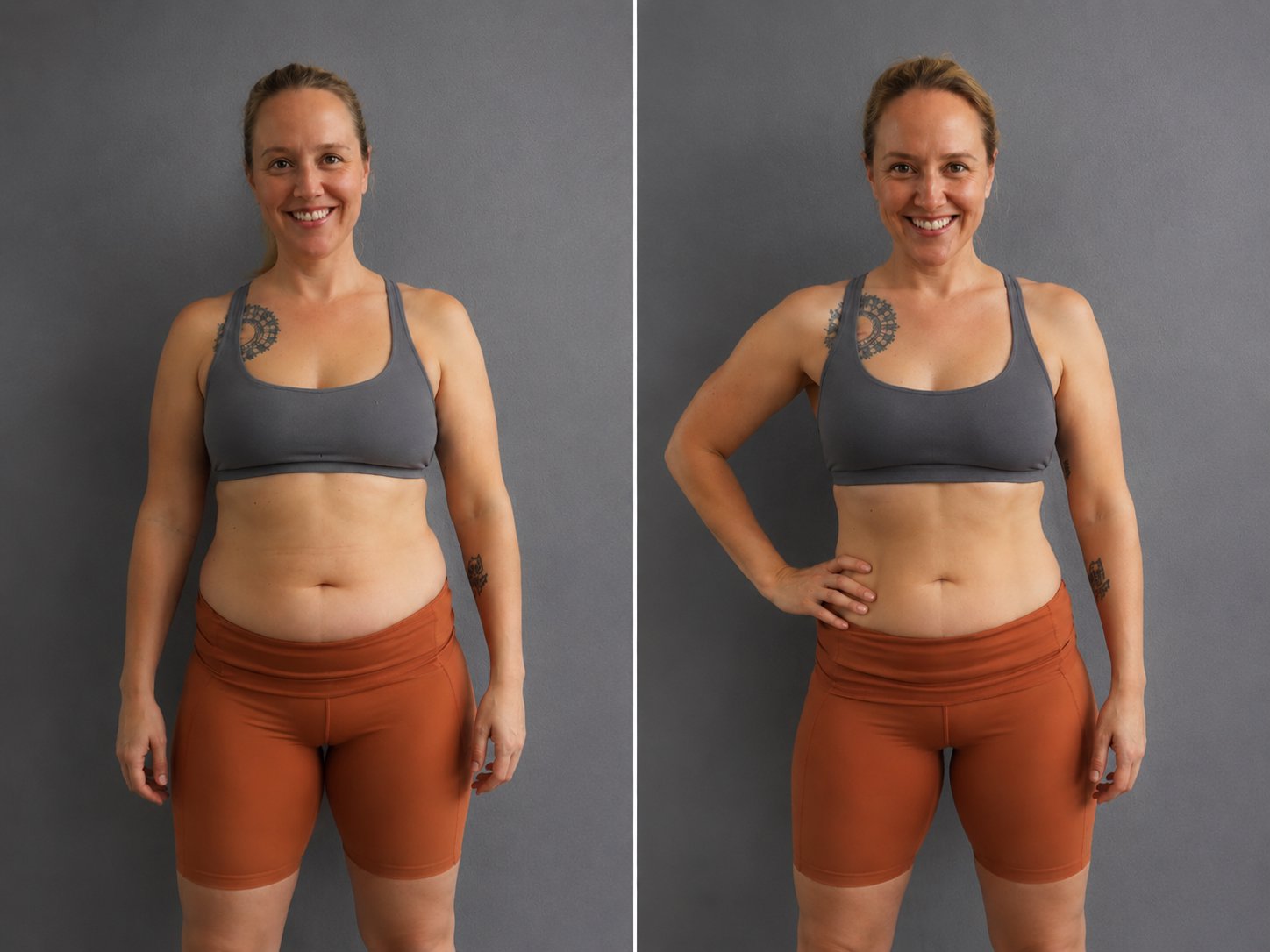
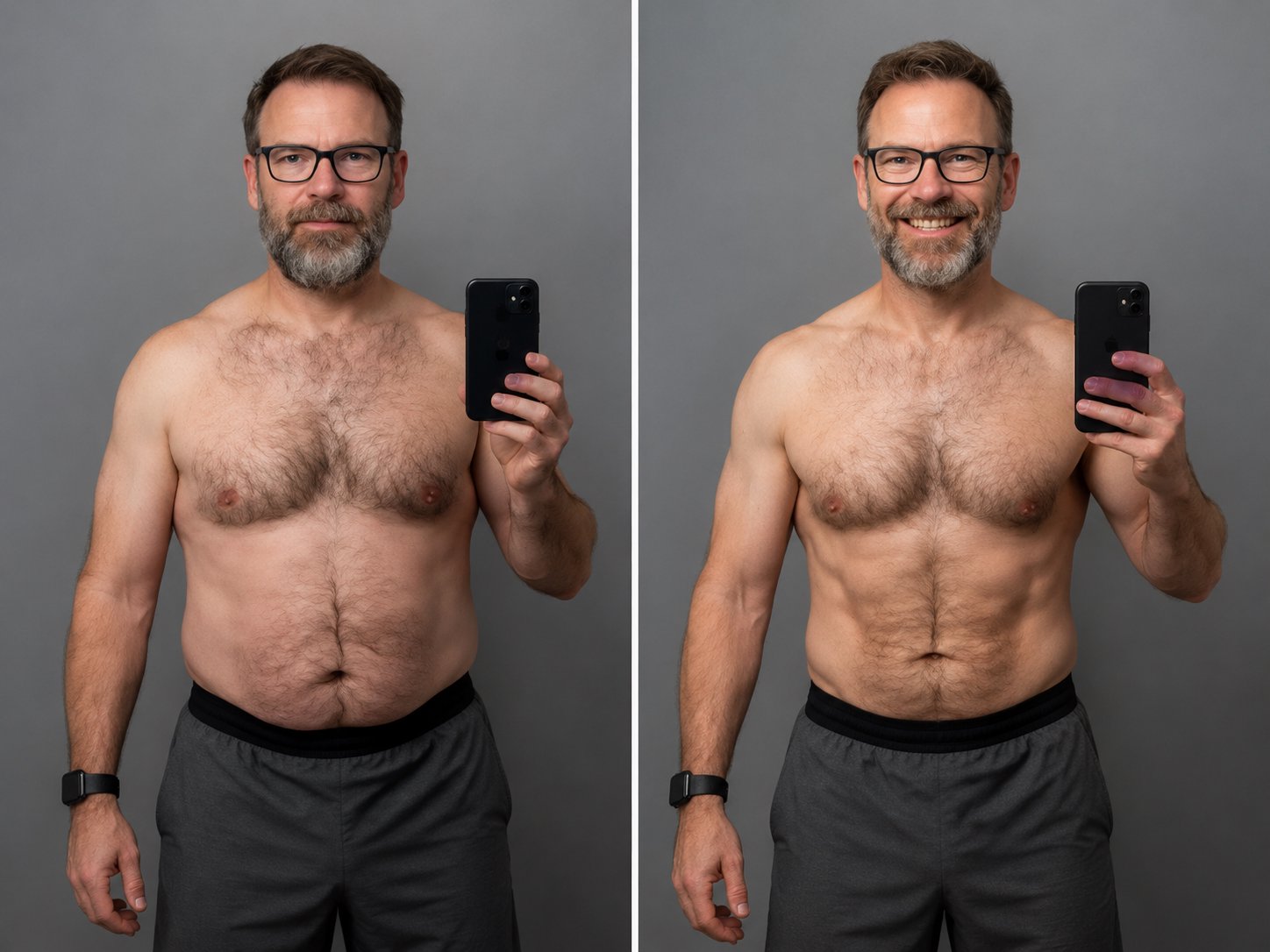
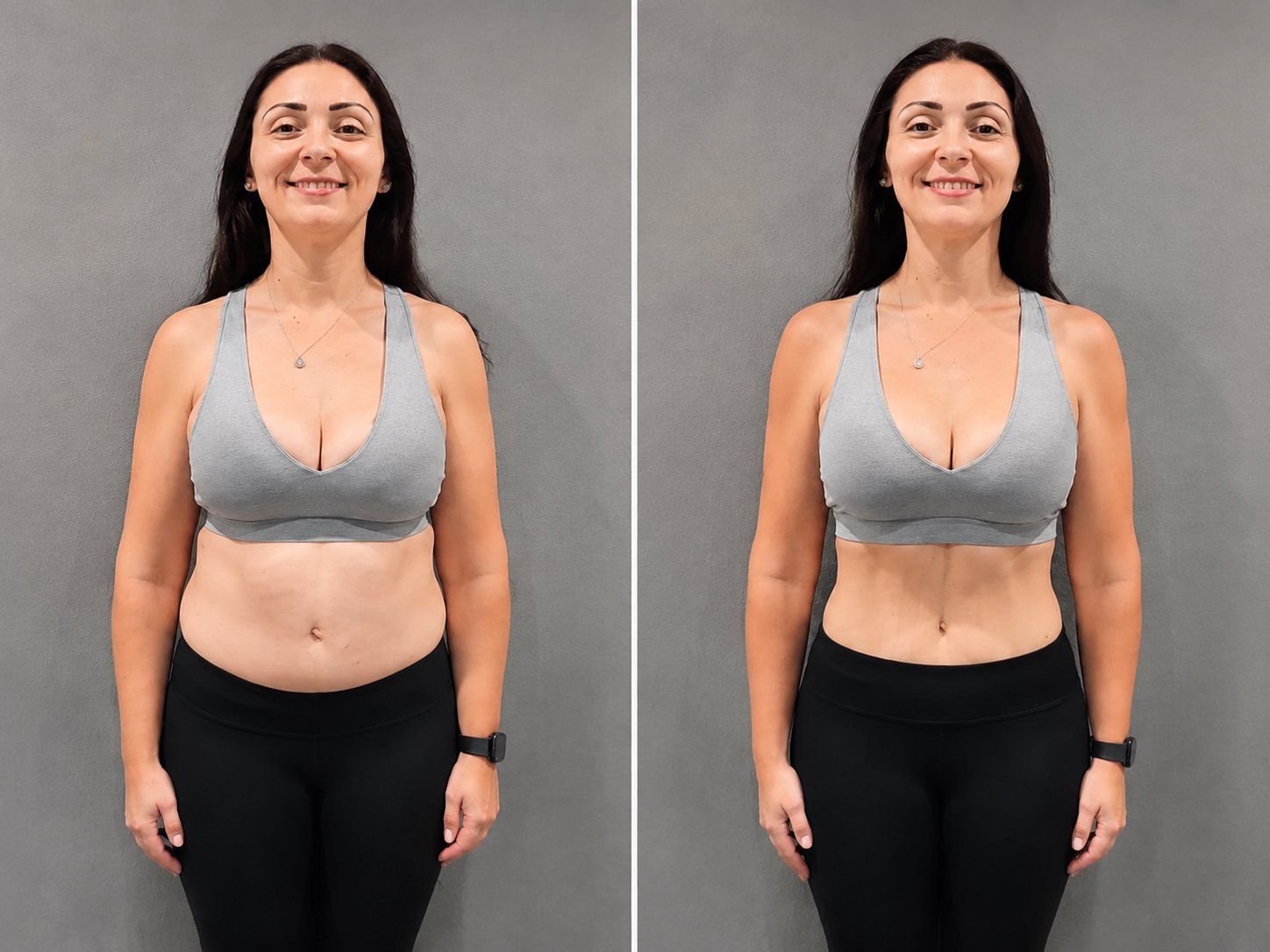
“Awesome training I lost 8kg in the last month and still going strong”
Daniel
★★★★★
“Great communication, very quick to match me with the right trainer, very happy.”
Damien
★★★★★
“In fact, I'd say I'm in the best shape of my life.”
Jess French
★★★★★
“I've been training with Armstrong for 3 years now and strongly respect his expertise and commitment to his field and my fitness journey.”
Jacob Fatur

Personal training at your location.

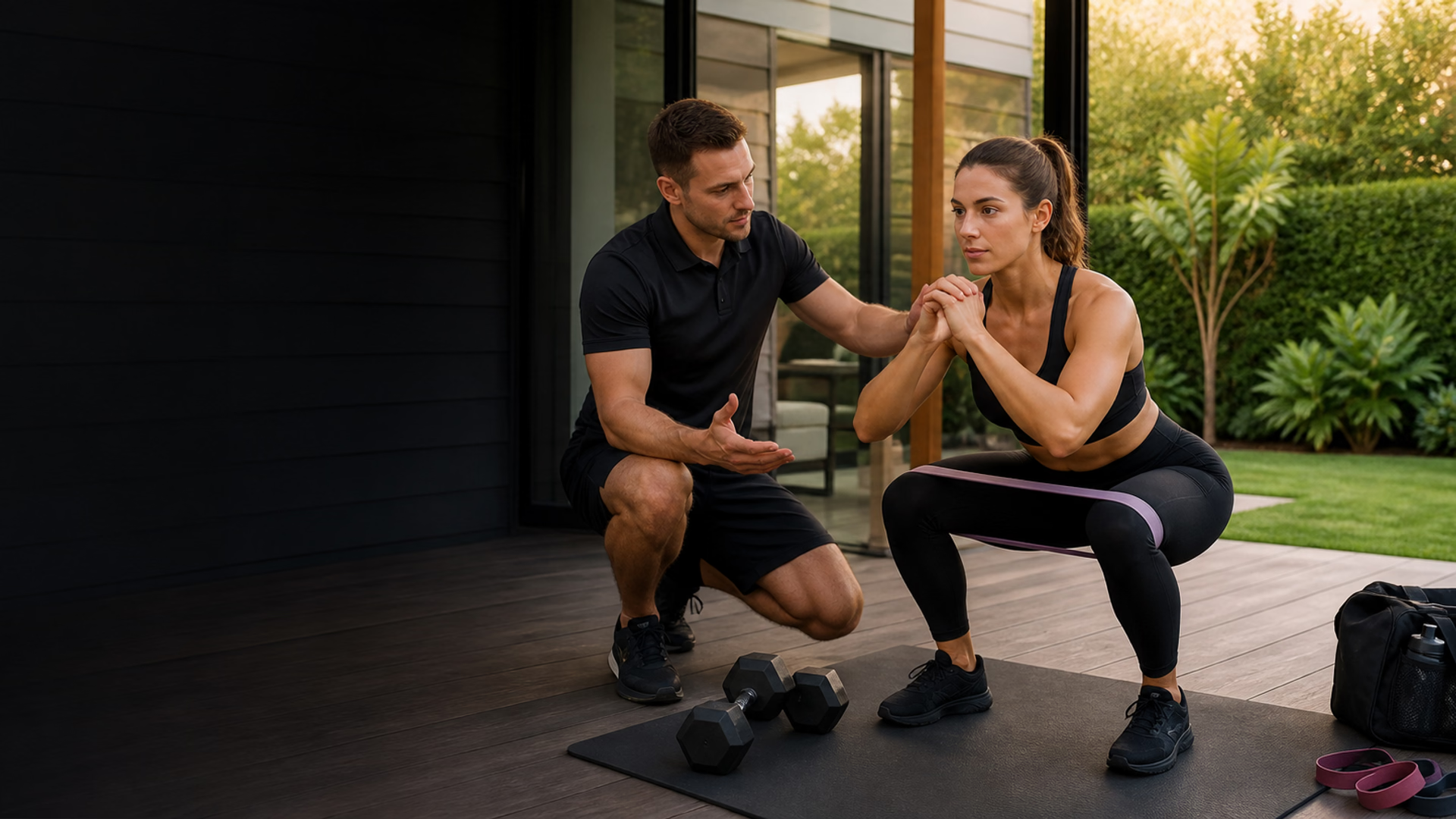
Mobile personal training removes the gym commute. Each appointment is a coached strength or fitness session built around the available space, equipment and training goal.

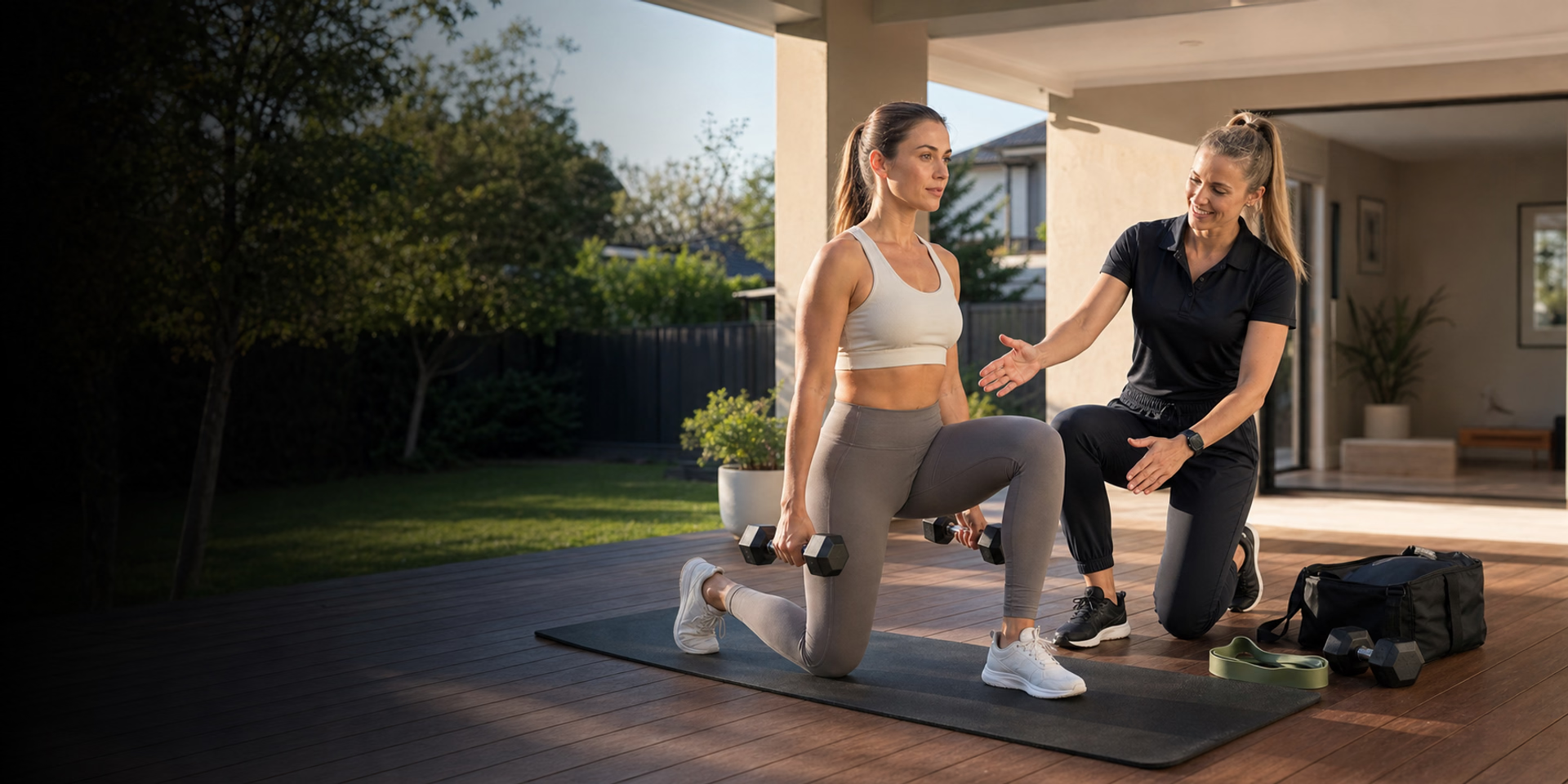
Mobile personal trainer coaching a client at her home

Sessions take place at a home, workplace or agreed outdoor training area.

Meet the team

One-to-one coaching for strength, fitness, boxing and body composition.

Swipe for more

Questions about personal training

01

“I can’t justify the cost of a personal trainer.”

Apps, diets and unused gym memberships cost money without providing technique feedback or accountability. Personal training pays for a coached appointment, an individual program and recorded progression.
02

“I already know which exercises to do.”

Exercise knowledge does not provide an external view of technique, load selection or weekly progression. The trainer watches the work, corrects movement and records the next training target.

03

“I’m not sure I can trust a trainer.”

A professional session has a written purpose. The trainer demonstrates the exercises, watches each set and records the work rather than handing over a generic workout.

04

“I’d feel self-conscious during training.”

One-to-one coaching keeps the session focused on one client. The trainer explains the equipment, demonstrates each exercise and controls the pace from the first warm-up.

Training explained

Mobile training: questions and answers

What is mobile personal training?

Mobile personal training is an exercise coaching service delivered at a location agreed by the client and trainer. The setting may be a home, workplace, apartment gym or suitable outdoor space. The defining feature is that the coach travels to the session rather than requiring the client to attend a particular fitness centre. A mobile session can include resistance exercise, aerobic conditioning, movement practice and a review of training goals. Its structure depends on the available space and equipment. Mobile coaching is distinct from an online exercise plan because the trainer is physically present to demonstrate movements, observe technique and adjust the session as it progresses.

How is a mobile training session organised?

A session generally has a preparation phase, a main exercise block and a short review. Preparation includes checking the training area, discussing readiness and rehearsing movements at a manageable intensity. The main block follows the purpose of the program, such as practising a squat pattern or combining strength exercises with conditioning. Sets, repetitions, rest intervals and exercise order provide a repeatable structure. A review records what was completed and what may change at the next appointment. Travel, setup and packing time should be distinguished from coached exercise time when comparing services. Clients can also clarify who supplies equipment and what happens when a preferred venue is unavailable.

What equipment is used for training at home?

Portable equipment can include resistance bands, dumbbells, exercise mats and small training accessories. Bodyweight movements use the participant’s own mass as resistance, while external weights provide additional loading. The choice is determined by the exercise goal, storage constraints and the surface available for movement. A band exercise, for example, requires an appropriate attachment arrangement and enough room for the intended movement. An apartment gym may provide machines or heavier weights, but access should be confirmed before the appointment. Equipment quantity alone does not describe program quality. A useful plan explains why each exercise is included and how its difficulty can be adjusted over successive sessions.

How can progress be measured without a commercial gym?

Progress can be recorded through completed repetitions, resistance, movement control and consistency of attendance. A training diary makes these observations comparable between sessions. Progressive overload means gradually increasing a training demand when the current task has become manageable; it does not require adding weight at every appointment. Changes may involve repetitions, exercise range, tempo or the amount of assistance used. Comparing the same movement under similar conditions is more informative than changing every exercise each week. Broader goals, such as feeling more confident with a routine, can be discussed alongside performance records. Short sessions can still be structured, although the number of exercises must fit the available time.

What should be agreed before booking a mobile personal trainer?

The booking discussion should establish the location, session length, access arrangements, equipment responsibilities and cancellation process. For an outdoor appointment, the trainer and client should agree how weather or an unsuitable surface will affect the plan. A residential setting also requires a clear training area and an agreed approach to privacy. Relevant exercise history and support needs help the coach understand the proposed session. AUSactive publishes professional scope guidance that distinguishes exercise roles and responsibilities; a fitness qualification should not be treated as evidence of every clinical specialism. In Fortitude Valley and nearby suburbs, confirming the meeting point in advance helps make the appointment practical for both parties.