

217 reviews
1 / 1
★★★★★
“Awesome training I lost 8kg in the last month and still going strong”
Daniel
★★★★★
“Great communication, very quick to match me with the right trainer, very happy.”
Damien
★★★★★
“In fact, I'd say I'm in the best shape of my life.”
Jess French
★★★★★
“I've been training with Armstrong for 3 years now and strongly respect his expertise and commitment to his field and my fitness journey.”
Jacob Fatur

Adapted exercise and fitness coaching.

NDIS personal training is a fitness service, not physiotherapy, occupational therapy or medical treatment. The service covers coached exercise, movement practice and routine building.

Personal trainer coaching an autistic adult through a boxing session in a park

The trainer uses clear demonstrations, repeated cues and a session pace suited to the participant.

Meet the team

One-to-one coaching for strength, fitness, boxing and body composition.

Swipe for more

Questions about personal training

01

“I can’t justify the cost of a personal trainer.”

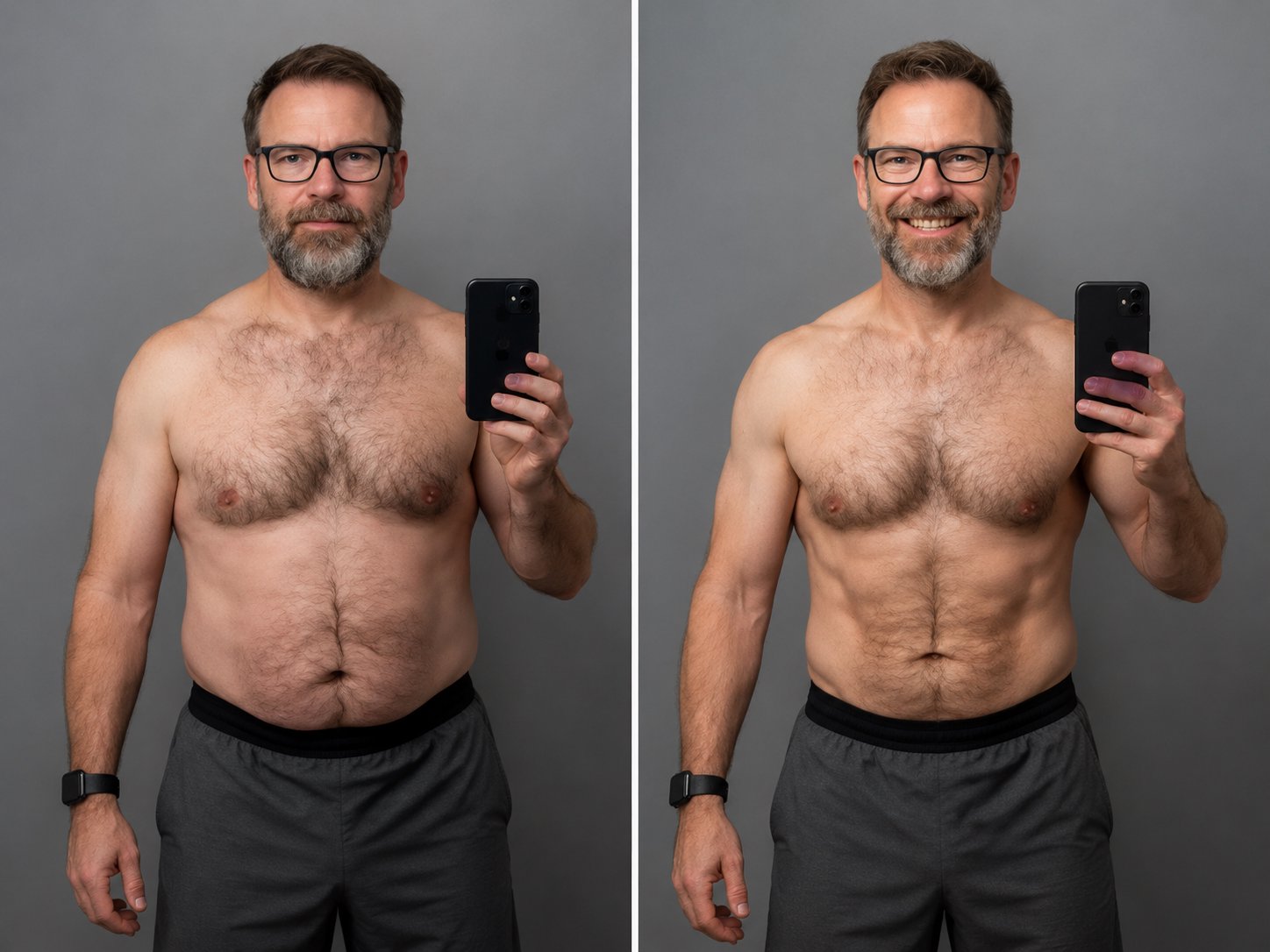
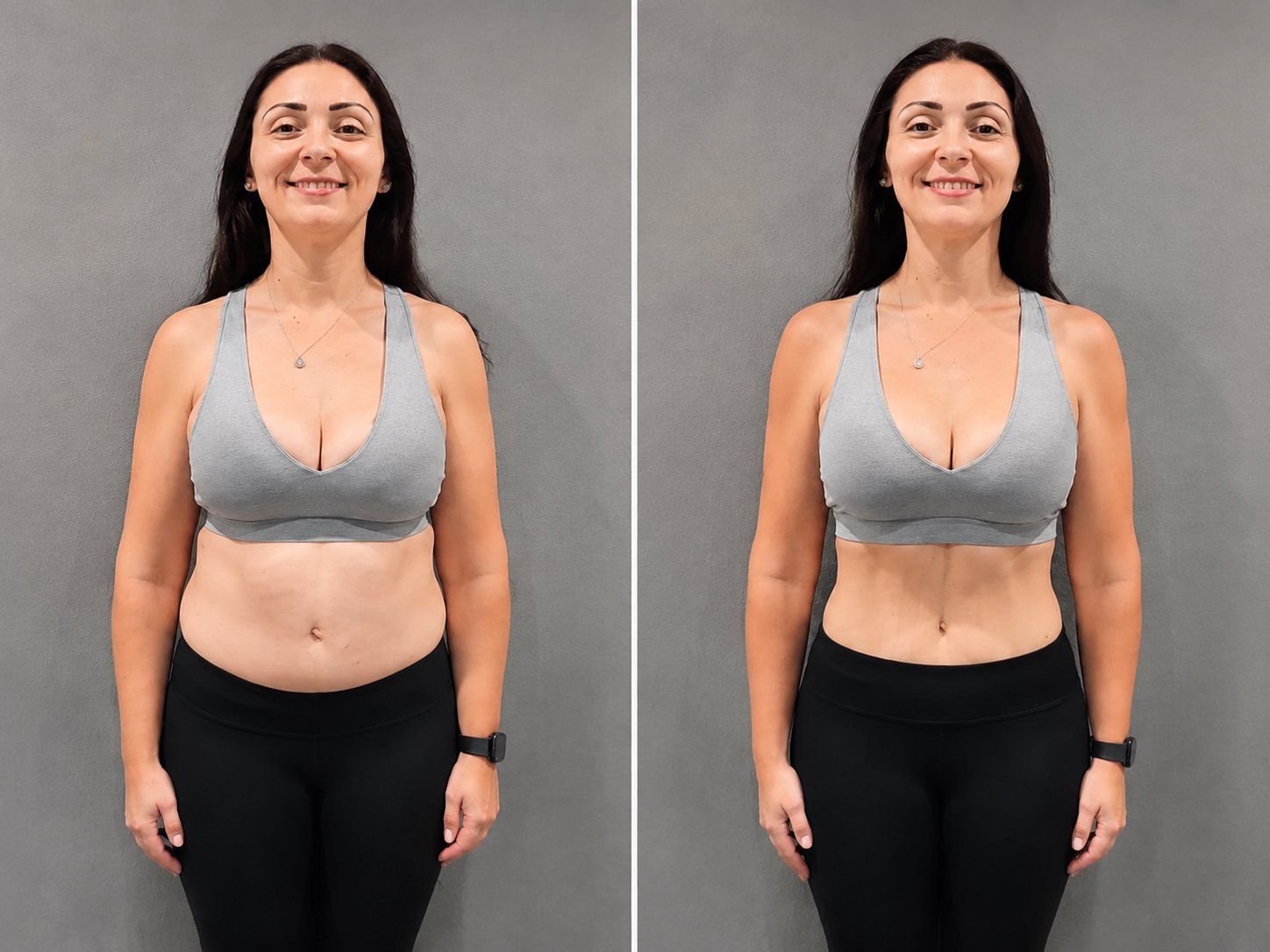
Apps, diets and unused gym memberships cost money without providing technique feedback or accountability. Personal training pays for a coached appointment, an individual program and recorded progression.
02

“I already know which exercises to do.”

Exercise knowledge does not provide an external view of technique, load selection or weekly progression. The trainer watches the work, corrects movement and records the next training target.

03

“I’m not sure I can trust a trainer.”

A professional session has a written purpose. The trainer demonstrates the exercises, watches each set and records the work rather than handing over a generic workout.

04

“I’d feel self-conscious during training.”

One-to-one coaching keeps the session focused on one client. The trainer explains the equipment, demonstrates each exercise and controls the pace from the first warm-up.

Training explained

NDIS training: questions and answers

What is personal training for an NDIS participant?

Personal training for an NDIS participant is exercise coaching adapted to that person’s goals, preferences and support needs. The National Disability Insurance Scheme is a funding scheme, not a particular exercise method. A session may involve practising familiar movements, using resistance equipment or developing confidence with a structured routine. The participant should remain central to decisions about communication, pace and the training environment. Describing a service as NDIS personal training does not establish that every participant can use plan funding for it. Service suitability, the coach’s competence and funding arrangements are separate matters that should be clarified before appointments are booked or invoiced.

Can NDIS funding pay for personal training?

The NDIA’s therapy-support guidance distinguishes personal training from therapy. It states that an appropriately qualified personal trainer may be funded through capacity-building health and wellbeing supports when the NDIS funding criteria are met, rather than being funded as a therapy support. This is not automatic approval for a particular participant or provider. Before proceeding, the participant or their authorised representative should check the relevant plan, support purpose and current funding rules. A written service description can clarify the proposed activity and charges. Website wording, a trainer’s advertisement or the availability of an invoice does not by itself establish that a support can be purchased with NDIS funding.

How can coaching be adapted to communication preferences?

Adaptation can begin with asking how the participant prefers instructions to be given. Some people may choose short verbal cues, a demonstration, written prompts or a predictable sequence. Others may need more time to process an instruction or prefer fewer changes within a session. These preferences should be discussed individually rather than assumed from a diagnosis. The coach can agree how the participant will indicate that they want a pause or a different task. A support person may assist where the participant wants that involvement. The aim is a clear, collaborative session in which the person understands the activity and has meaningful opportunities to express choices.

How does personal training differ from exercise physiology?

Personal training and exercise physiology are distinct professional services, even when both involve exercise. A personal trainer generally provides fitness instruction and programming within their qualifications. An accredited exercise physiologist is an allied health professional whose work can include clinical exercise assessment and intervention. Exercise & Sports Science Australia is the relevant professional accreditation organisation for Australian exercise physiologists. A fitness coach should not present a session as clinical treatment solely because a participant has a disability. Where multiple professionals are involved, clear role descriptions help avoid confusion about assessment, instruction and review. Information sharing should reflect the participant’s consent and the purpose of the support.

What information should a service agreement explain?

A service agreement should make the proposed arrangements understandable to the participant. Relevant details include the session location, appointment length, agreed goals, charges and cancellation process. It can also explain equipment provision, travel arrangements, communication preferences and who will attend the session. Progress records might describe tasks practised, assistance used and the participant’s own feedback, rather than promising a predetermined outcome. Any reporting expectations should be discussed before work begins. For appointments around Fortitude Valley and nearby suburbs, access to the venue and a consistent meeting point can be important practical considerations. Funding questions should be resolved with the appropriate plan contact before the service is treated as an approved purchase.